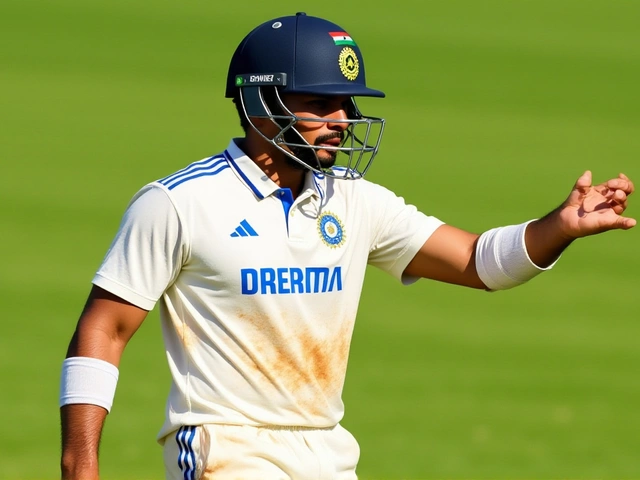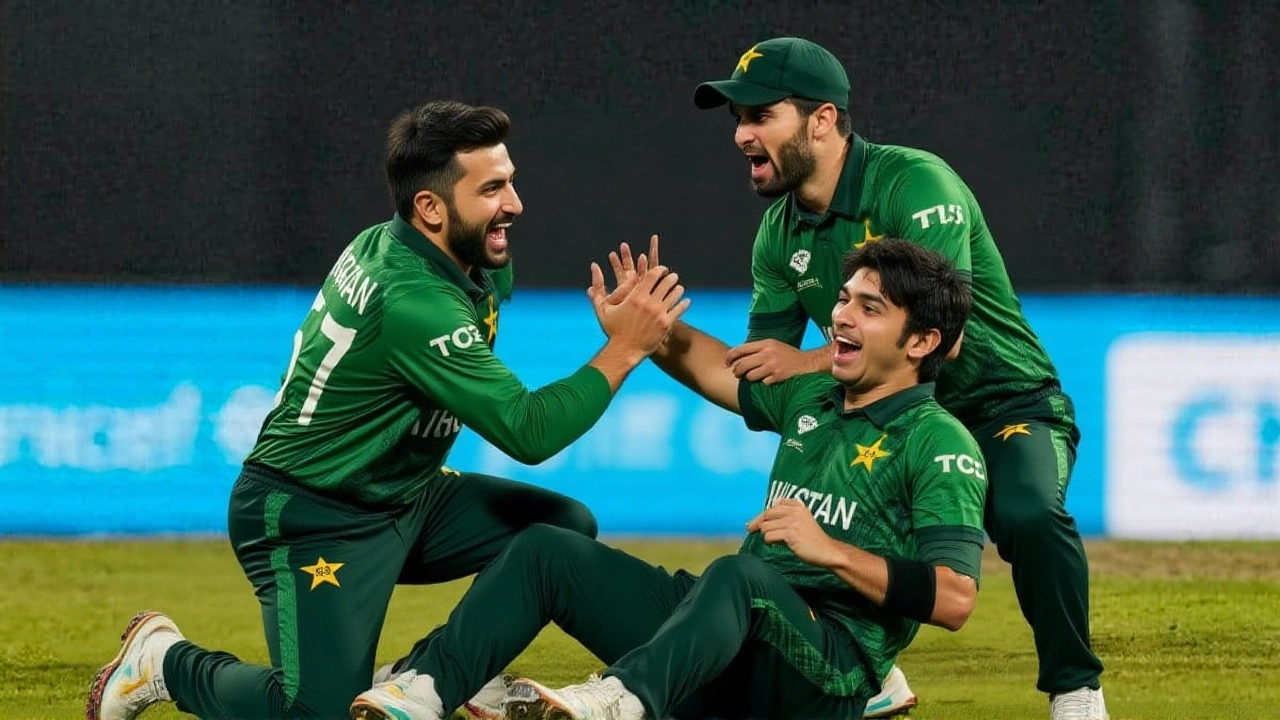
It’s a harsh reality check for Pakistan cricket fans. Just weeks ago, pundits were calling the upcoming tournament setup a "golden opportunity" for the team to lift the trophy. Now? The dream is dead before it even reached the semi-finals.
The ICC Men's T20 World Cup 2026Sri Lanka turned into a nightmare run for Pakistan after they crashed out of the Super 8 stage. Despite early optimism fueled by a favorable group draw and Australia’s surprising early exit, on-field performance told a completely different story.
Here’s the thing: predictions are one thing, but cricket is another. Pakistan started strong, only to crumble under pressure when it mattered most.
From Top of Group A to Early Exit
Let’s rewind. Things looked promising initially. Pakistan topped Group A with a commanding 32-run victory over the United States national team at the Singhalese Sports Club in Colombo. That win gave them a net run rate of +0.932, putting them right where analysts wanted them: confident and leading the pack.
Saim Ayub and Sahibzada Farhan opened the innings brilliantly, sharing a rapid 54 runs in just 5.1 overs. It felt like momentum was building. But then came the plot twist no one saw coming.
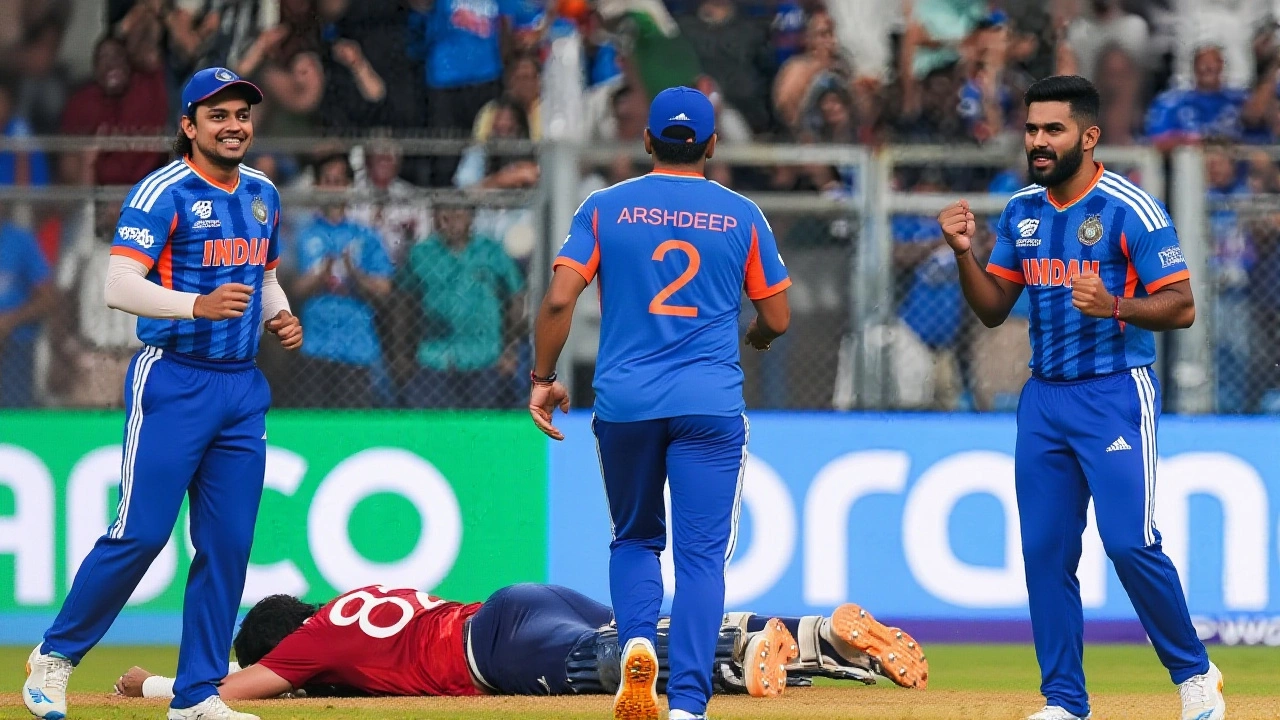
In their next crucial match against India, everything fell apart. Playing at the R. Premadasa Stadium in Colombo, India posted 175 runs. Pakistan’s batting lineup collapsed under the weight of expectation, managing only 114 all out. The 61-run defeat wasn’t just a loss; it was a shockwave that dropped Pakistan to third place in Group A.
They needed a miracle against Namibia on February 18 to stay alive. They got the win, qualifying for the Super 8s with six points—but the damage to confidence was already done.
The "Favorable" Draw That Failed Them
Before the tournament kicked off, media outlets like ABP Live highlighted Pakistan’s Super 8 group as a "fantastic combination." Why? Because Australia—the traditional powerhouse—had been eliminated in the group stage. Instead, Pakistan faced New Zealand, England, and Sri Lanka.
On paper, this looked manageable. In reality? It was brutal.
The first Super 8 clash against England on February 24 exposed deep flaws in Pakistan’s middle order. They set a modest target of 164/9. Sahibzada Farhan tried to carry the bat again, scoring a half-century, but it wasn’t enough. Enter Harry Brook.
Brook didn’t just score; he dominated. His lightning-fast century off just 51 balls powered England home with two wickets to spare. That single innings sealed England’s spot in the semi-finals while sending Pakistan into panic mode.
The Final Nail in the Coffin
By the time Pakistan faced Sri Lanka on February 28, the math was cruel. To reach the semi-finals, they didn’t just need to win—they needed to restrict Sri Lanka to less than 147 runs to beat New Zealand on net run rate.
They batted first and put up a massive 212/8. Fakhar Zaman and Sahibzada Farhan hit hard, creating what seemed like an unassailable total. But here’s the twist: high scores mean nothing if you can’t defend them.
Sri Lanka chased down the target comfortably. Pakistan failed to bowl out their opponents cheaply. As a result, their net run rate stayed behind New Zealand’s. One missed requirement. One tiny statistical gap. And suddenly, the campaign was over.
Why This Matters Beyond the Scoreboard
This isn’t just about losing matches. It’s about consistency. Pakistan has shown flashes of brilliance—beating the USA, posting big totals—but lacks the resilience to close out tight games. When pressure mounts, the structure cracks.
Compare this to England’s approach. Harry Brook’s knock wasn’t luck; it was preparation meeting opportunity. Meanwhile, Pakistan relied too heavily on individual heroics rather than collective stability.
The absence of Australia from the knockout stages didn’t help Pakistan—it hurt them. Without facing top-tier bowling regularly in the groups, they weren’t prepared for the intensity of the Super 8s. Comfort zones are dangerous places.
What’s Next for Pakistani Cricket?
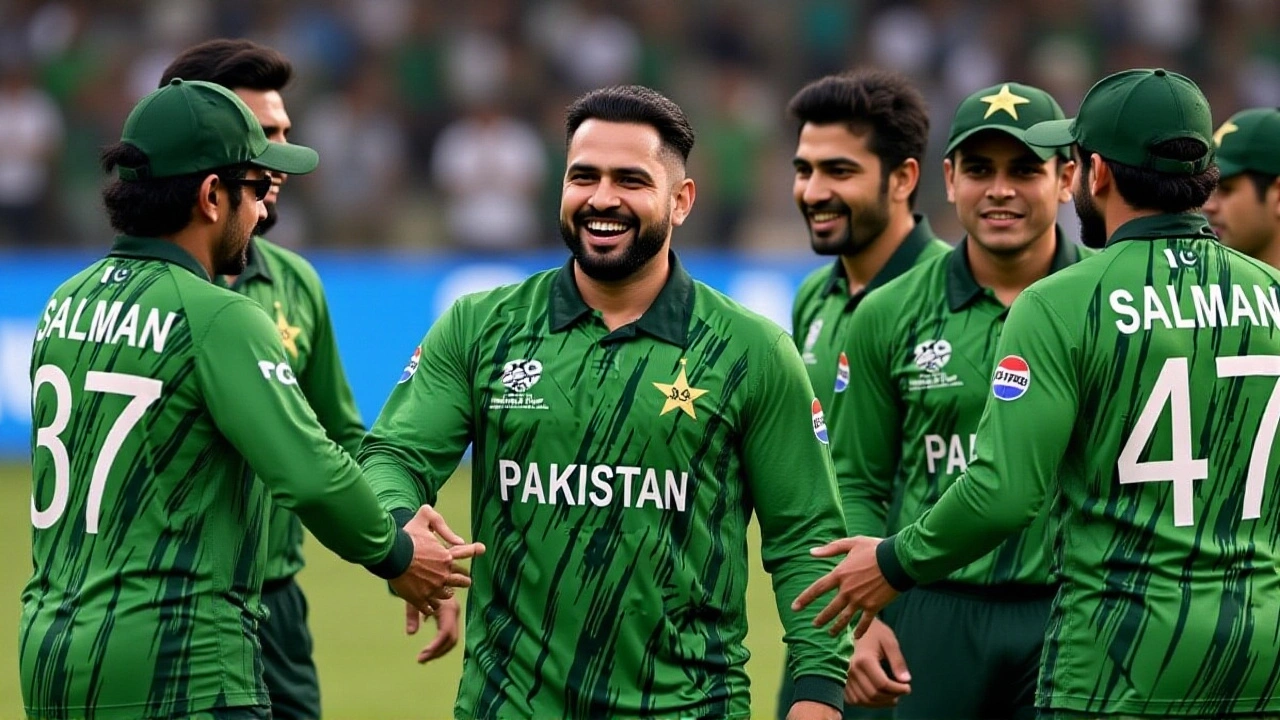
The Pakistan Cricket Board (PCB) now faces tough questions. Is the selection policy flawed? Are players mentally equipped for high-stakes tournaments? Or is there a systemic issue in coaching and strategy?
Fans deserve answers. Players deserve support. But more importantly, the team needs a reset. The next few months will be critical as they prepare for bilateral series and future ICC events. Can they learn from this collapse? Only time will tell.
Frequently Asked Questions
Why did Pakistan fail to qualify for the semi-finals despite winning some matches?
Pakistan lost key matches against India and England, which hurt their net run rate. In their final Super 8 game against Sri Lanka, they failed to restrict the opposition to under 147 runs, leaving them behind New Zealand on NRR despite winning the match.
Who played the best innings during Pakistan’s Super 8 campaign?
Sahibzada Farhan stood out with consistent performances, including a half-century against England and a rapid knock against Sri Lanka. However, his efforts weren’t enough to compensate for team-wide failures in bowling and fielding.
Did Australia’s early exit really help Pakistan’s chances?
Initially, yes—analysts believed avoiding Australia made the path easier. But without facing elite bowling regularly, Pakistan wasn’t adequately prepared for the pressure of the Super 8s, leading to poor performances against England and Sri Lanka.
What role did net run rate play in Pakistan’s elimination?
Net run rate was decisive. After beating Sri Lanka, Pakistan still finished below New Zealand on NRR because they didn’t restrict Sri Lanka to fewer than 147 runs. This small margin cost them a semi-final berth.
How did Harry Brook impact the England vs Pakistan match?
Harry Brook scored a blistering century off 51 balls, chasing down Pakistan’s total of 164 with ease. His performance not only won the match for England but also secured their semi-final spot, highlighting the gap in finishing ability between the two teams.
Will this failure lead to changes in Pakistan’s coaching or selection?
While no official announcements have been made yet, experts suggest a review of mental conditioning and tactical planning is essential. Repeated collapses under pressure indicate deeper issues beyond player talent alone.